Chapter 01


The Prequel
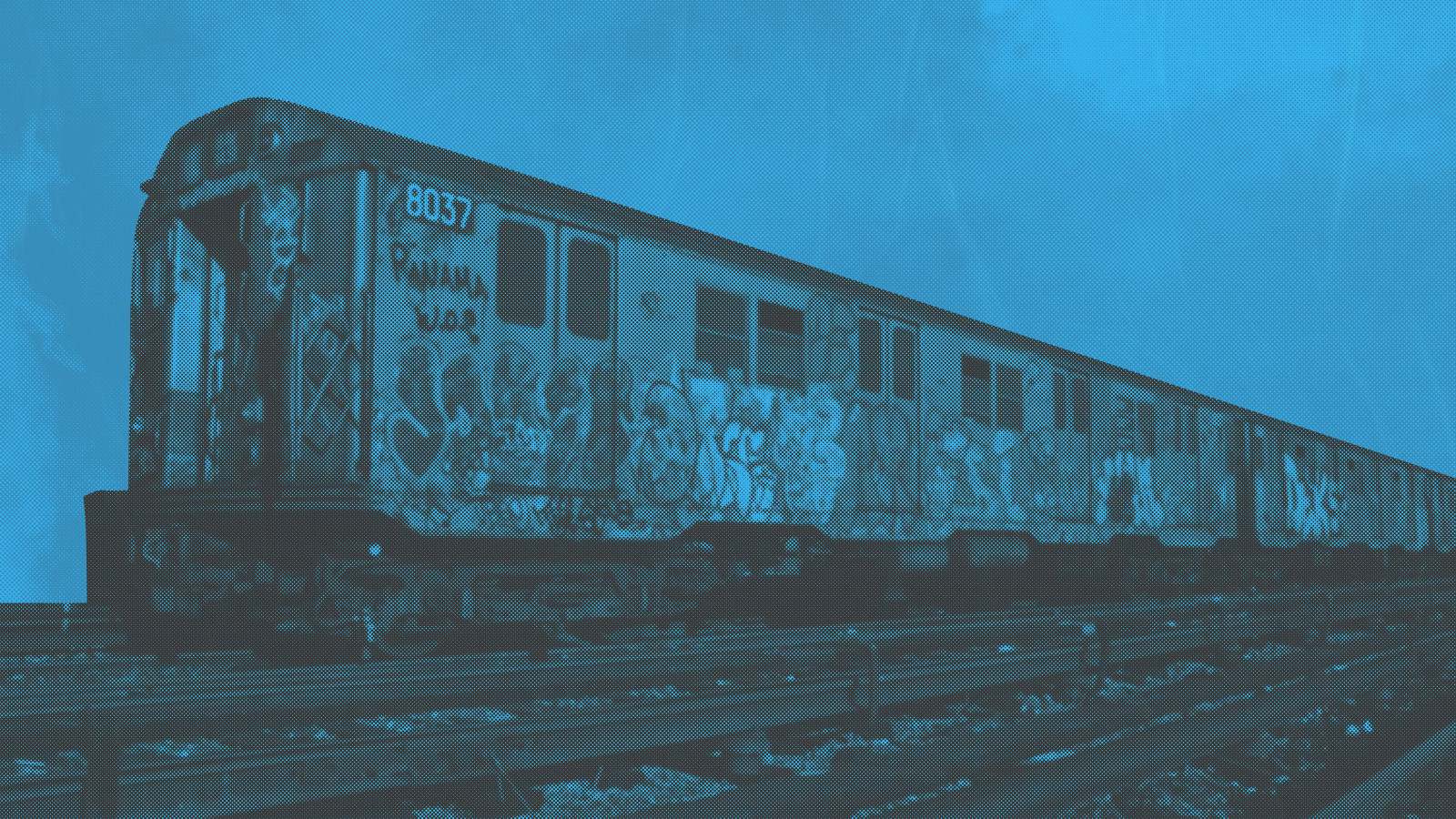
The Cross Bronx Expressway 1963
Cornbread 1965
Grandmaster Flowers 1968
Taki 183 1969
Rockdance Late 60s
Chapter 02


The Birth
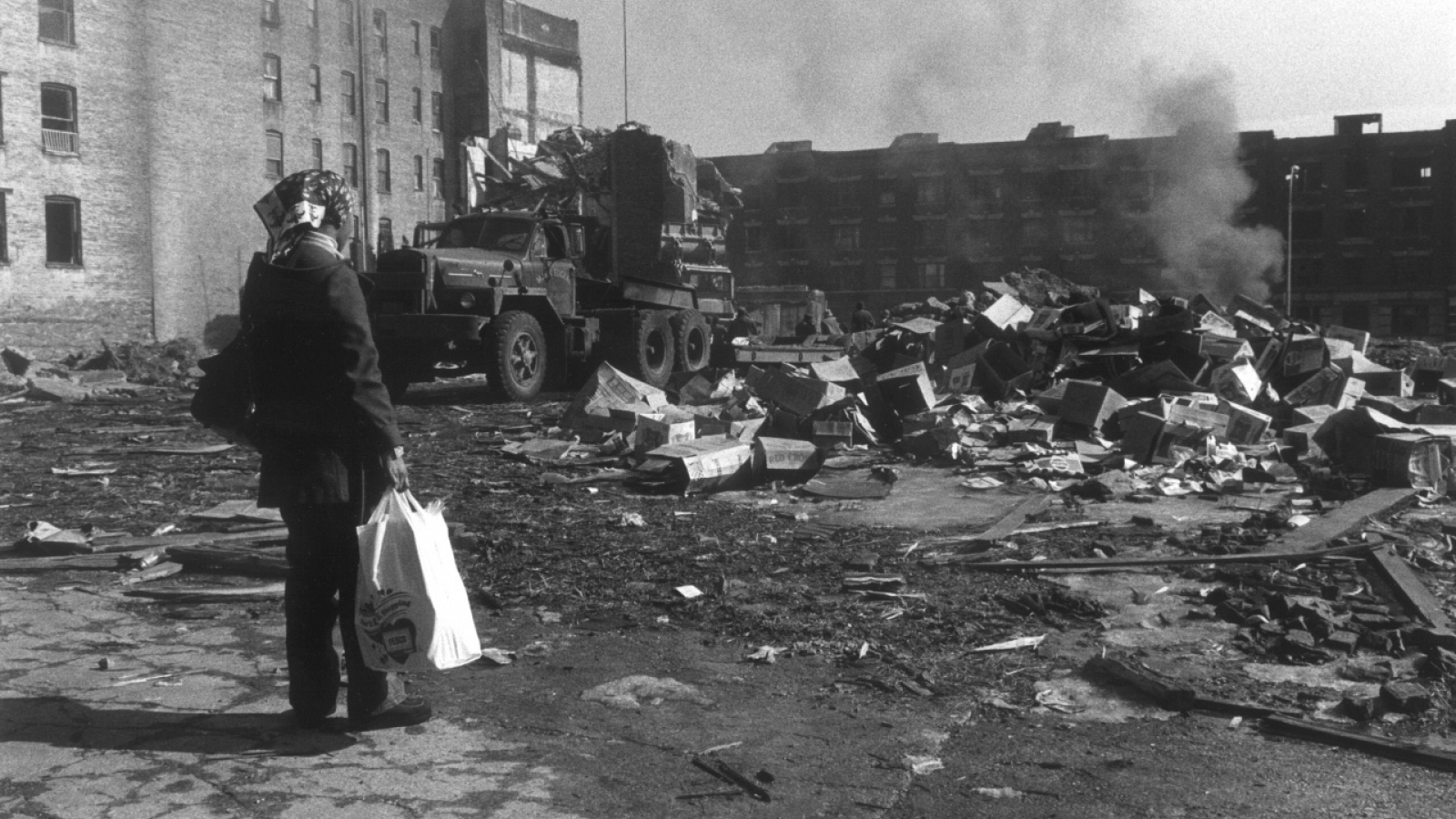


80% of the housing stock was destroyed in raging fires that swept across the South Bronx, averaging to 40 fires a day.
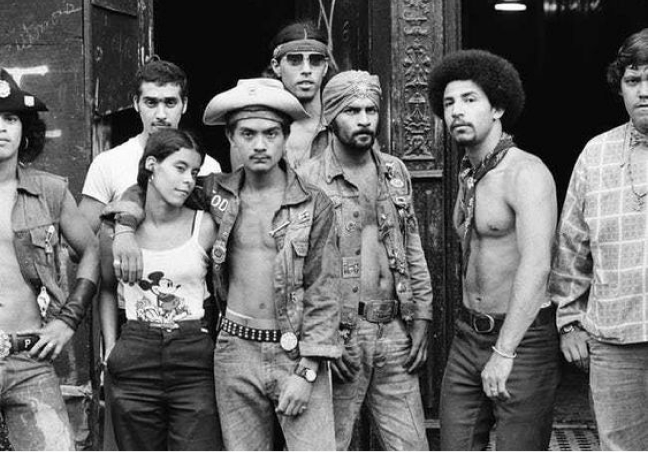
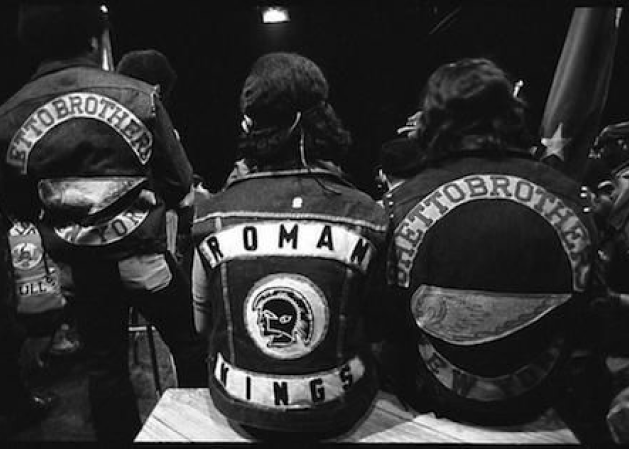
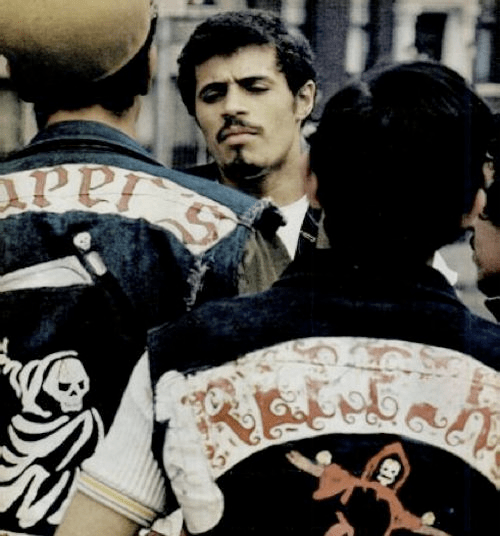
Youth Gangs
1971 Bronx Treaty
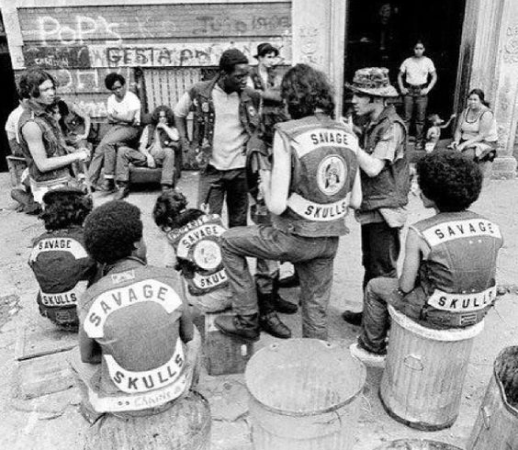
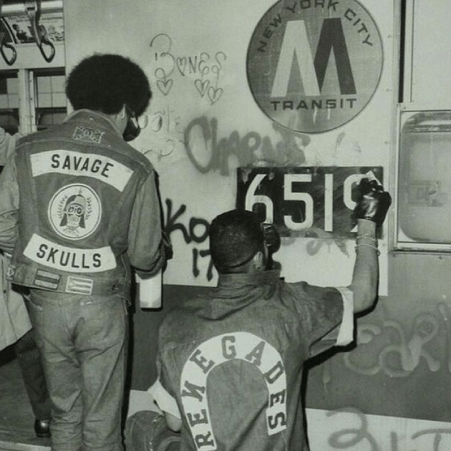
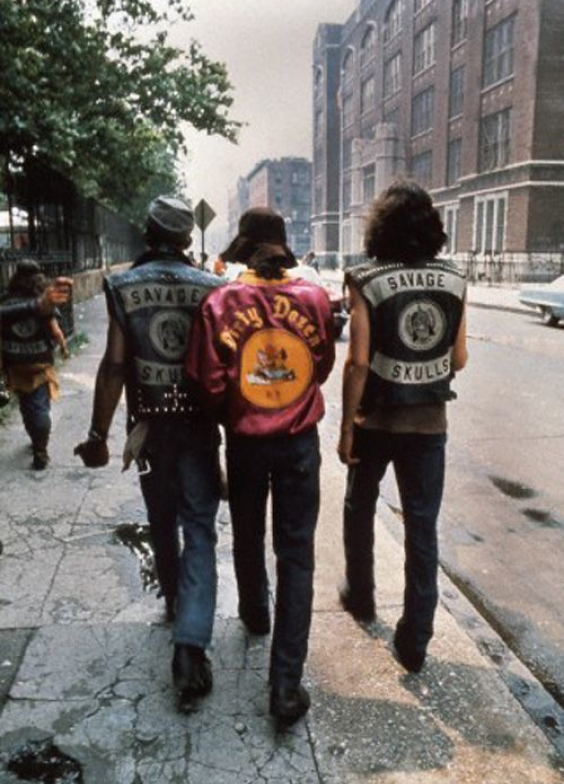
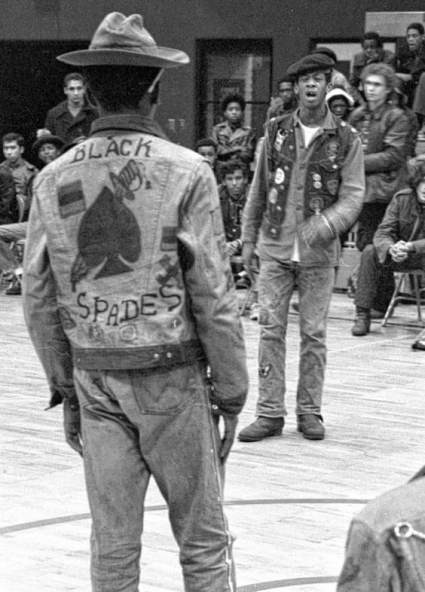
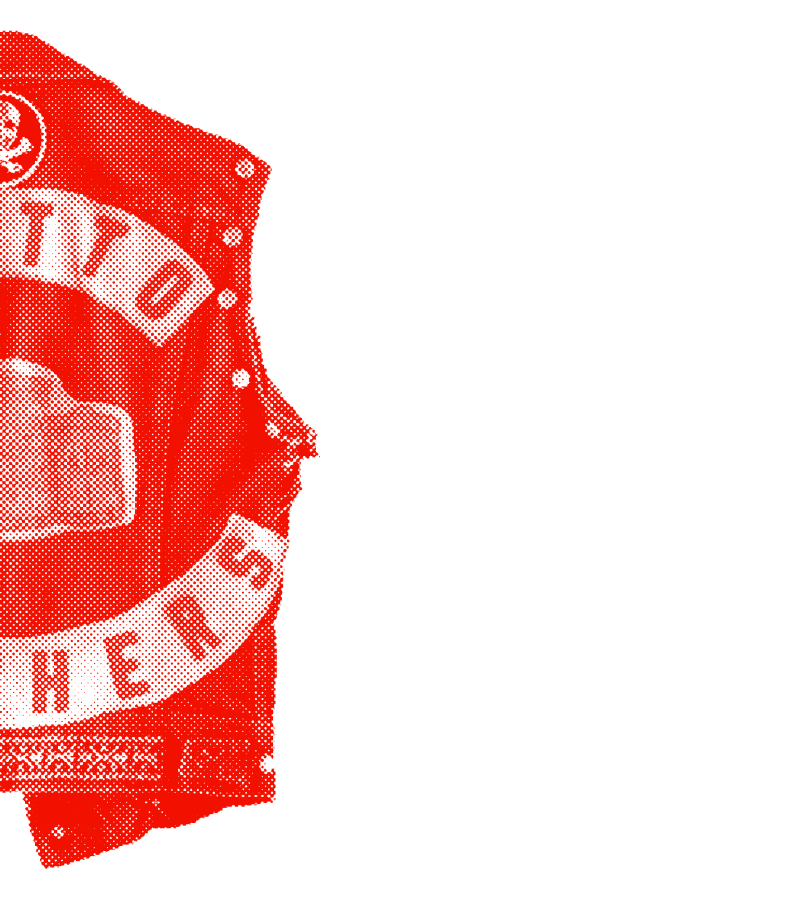
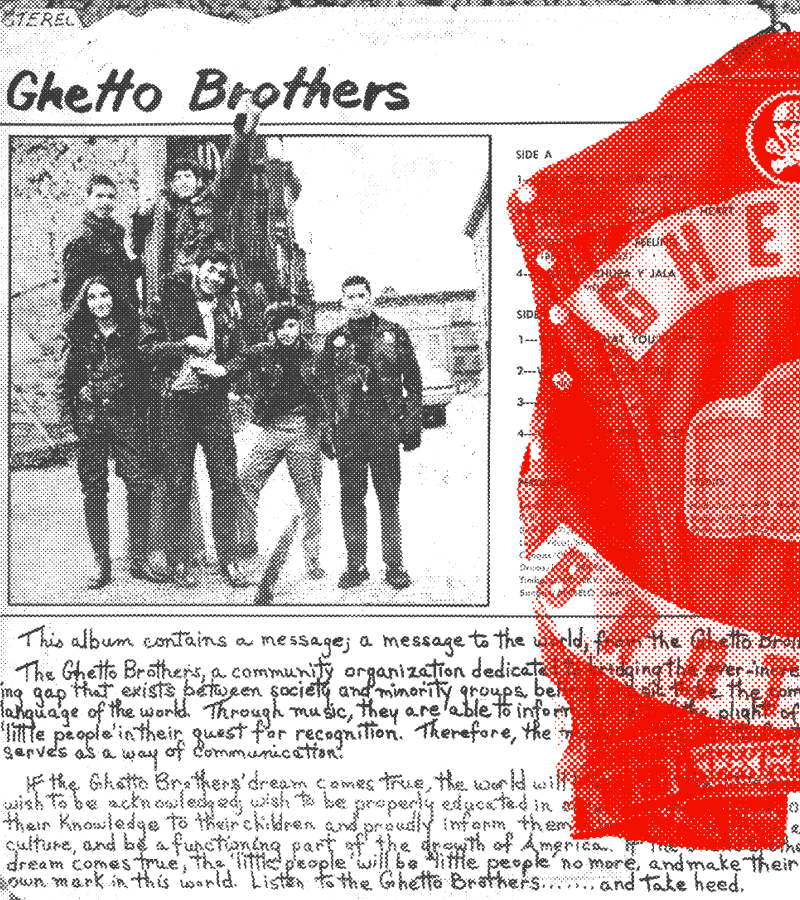
It took the killing of Black Benjy, a gang peacemaker from the Ghetto Brothers, before representatives of 42 gangs came together to sign a peace treaty on December 7, 1971. Although the treaty did not eliminate gang violence altogether, it helped lead the way to the birth of Hip-Hop culture.
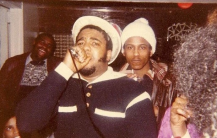

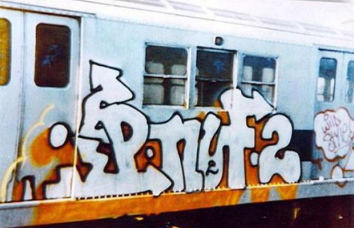
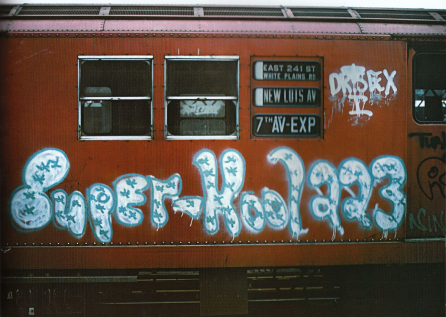
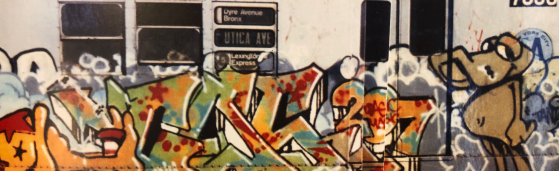
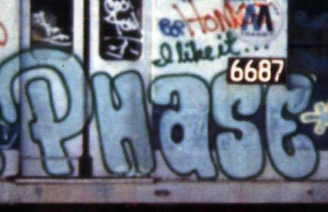
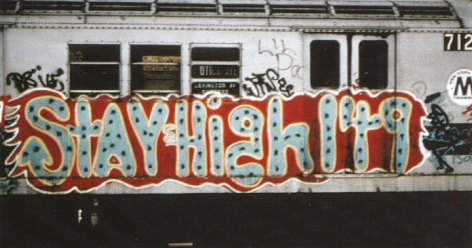
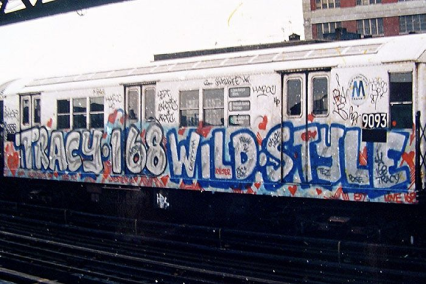
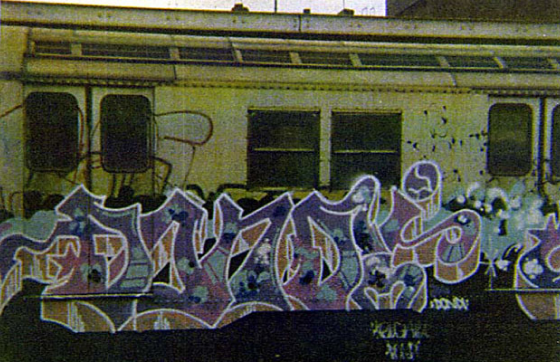
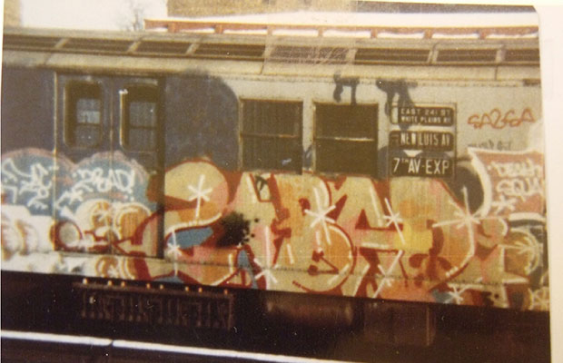
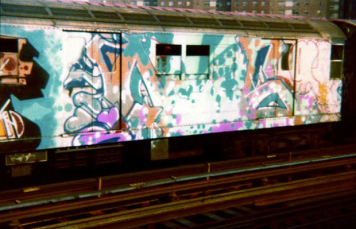
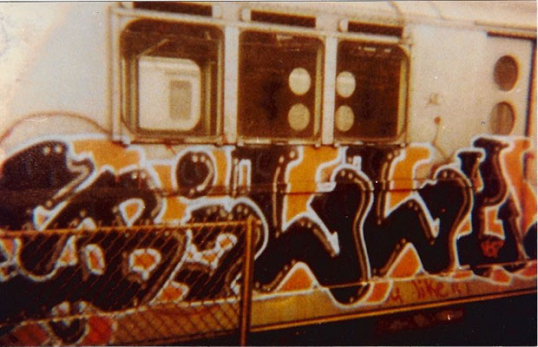
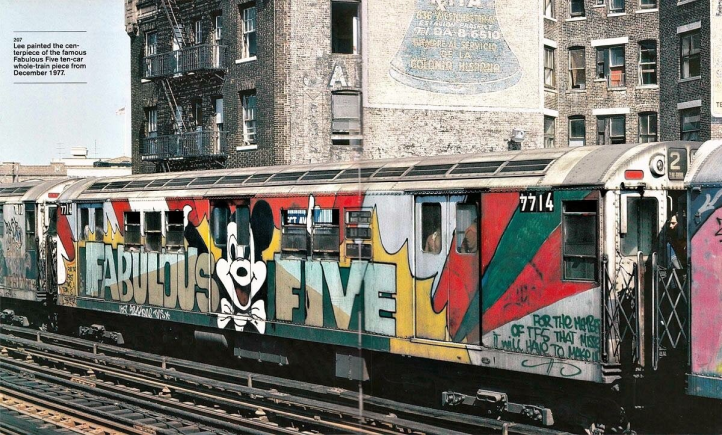
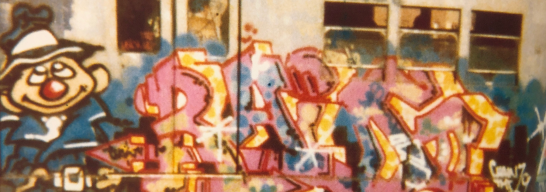
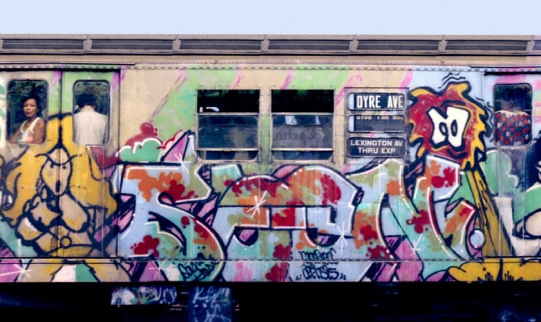
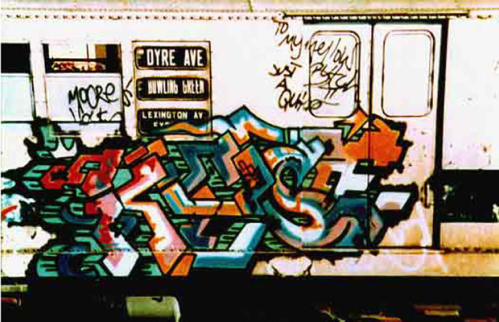
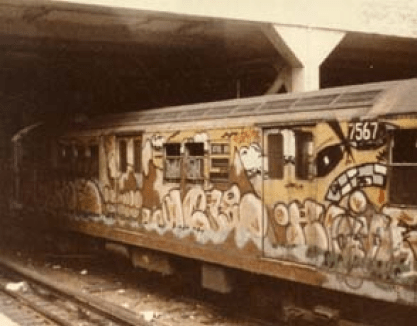


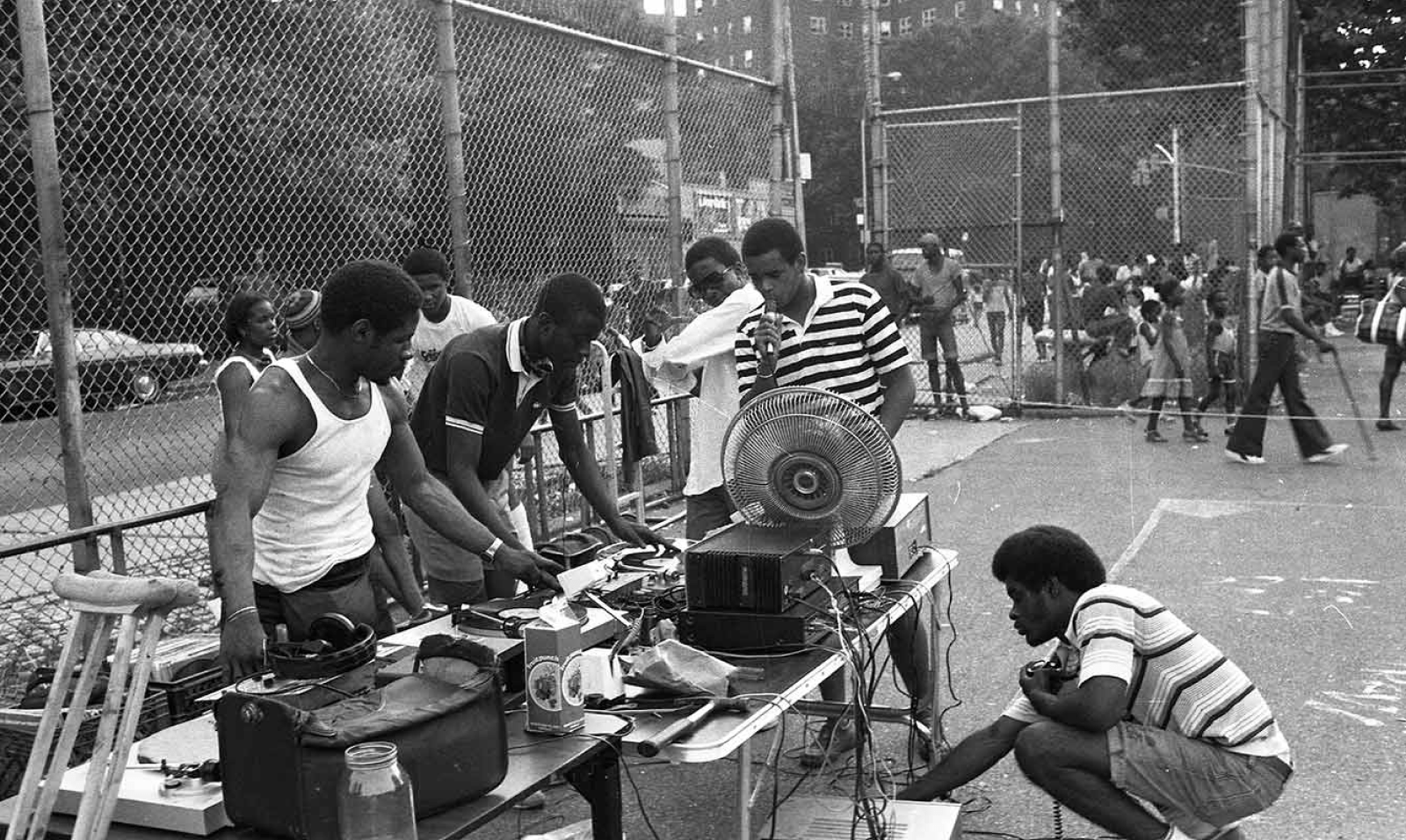
DJ Kool Herc (known as the father of Hip-Hop) deejayed a back-to-school party for his sister, Cindy, which was held at 1520 Sedgwick Avenue in the recreational room, on the west side of the Bronx, New York City.
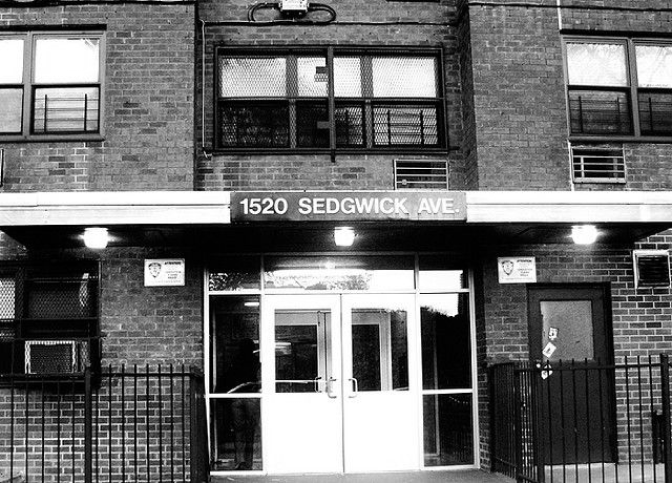
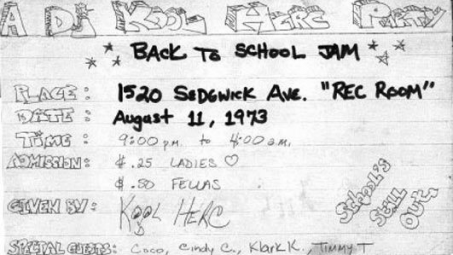
Kool Herc
The Get Down
It was there that Kool Herc utilized his method for keeping the music going at the Breaks in the records (usually the solo drum section of a song). Because these Breaks were relatively short, he extended them on two turntables. This became known as the Merry-Go-Round technique.
You rock and you don't stop
The Emcee
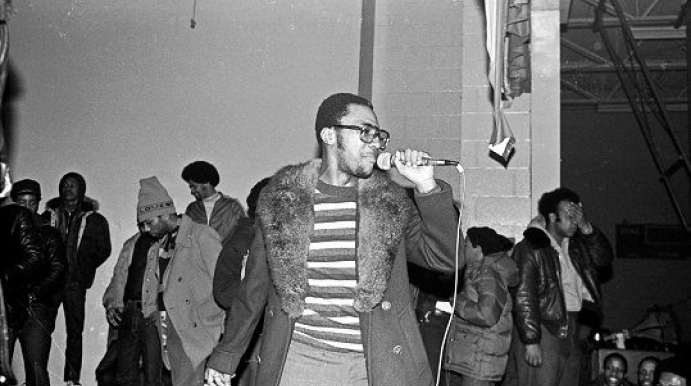
Coke La Rock, credited to be one of the first MCs on the mic, performed alongside Kool Herc. He would improvise on the mic with shout outs to friends (which were very similar to the Jamaican tradition of "toasting") and rhyme original phrases such as “you rock and you don't stop.” Original emcees focused more on working the crowd with call and response phrases as opposed to what we know it as today: rap music.
The Break Boys & Girls
Kool Herc and Coke La Rock, aka the Herculoids, noticed the dancers who would get down on the Breaks of the records and labeled them as “b-boys” or “break boys” on the mic. Breaking becomes the official dance of Hip-Hop.
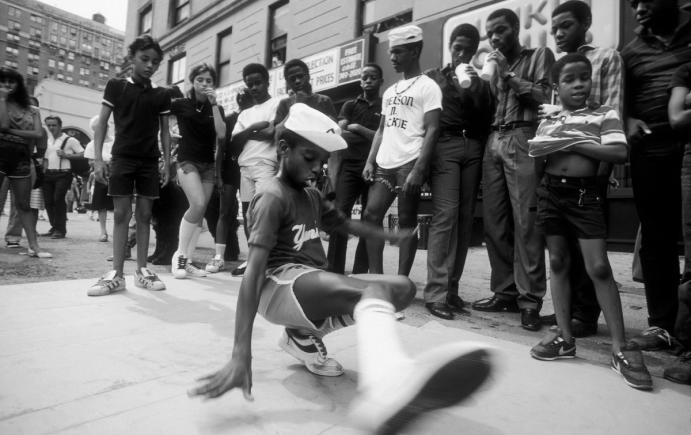
The Bronx Block Party Era
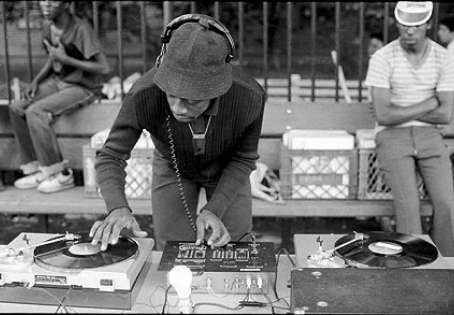
Hip-Hop Becomes a Culture
Everything leading up to this point is what unified all 4 elements (deejaying, emceeing, breaking, and writing) to form this culture that is now globally known as Hip-Hop. And it all started as a form of expression admist oppression and displacement.
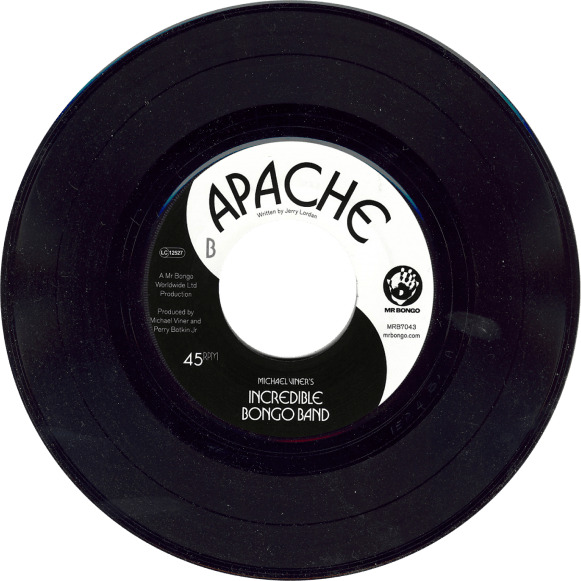
Grandmaster Flash 1975
Cornbread 1975
Boogaloo Sam 1975
Rock Steady Crew 1977
Disco Demolition Night 1979
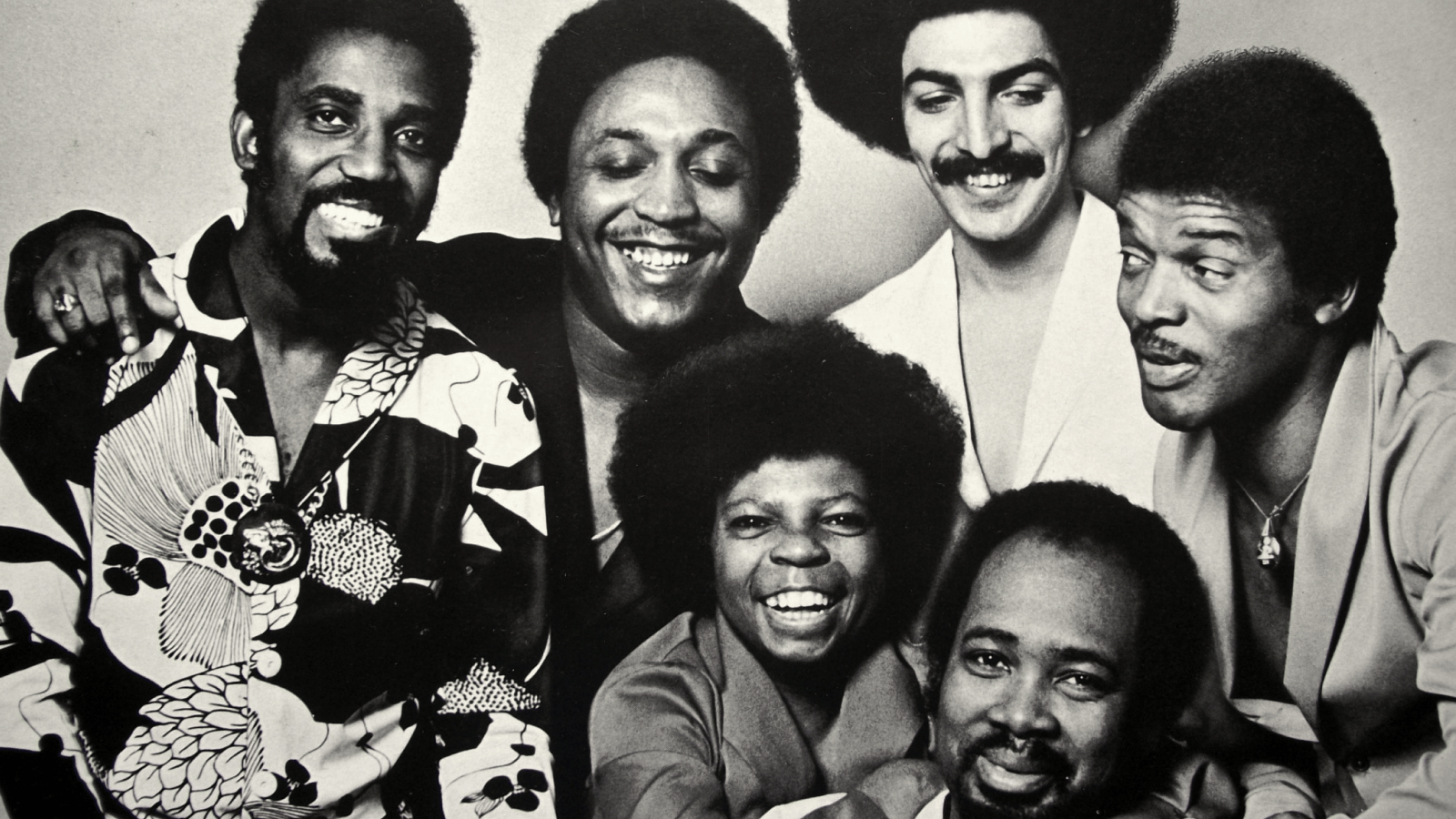
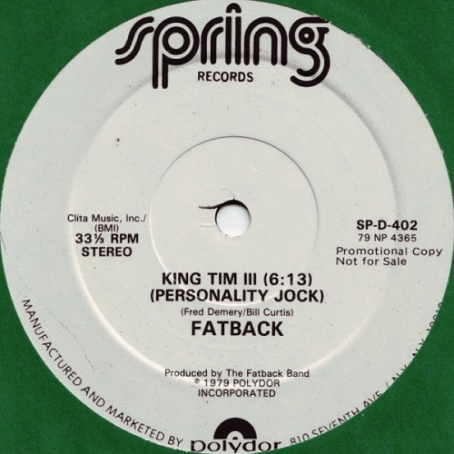
1979 The Fatback BandKing Tim III (Personality Jock)
The first ever rap record to chart on Billboards in 1979. Released on March 25, 1979, a few months before "Rapper's Delight."
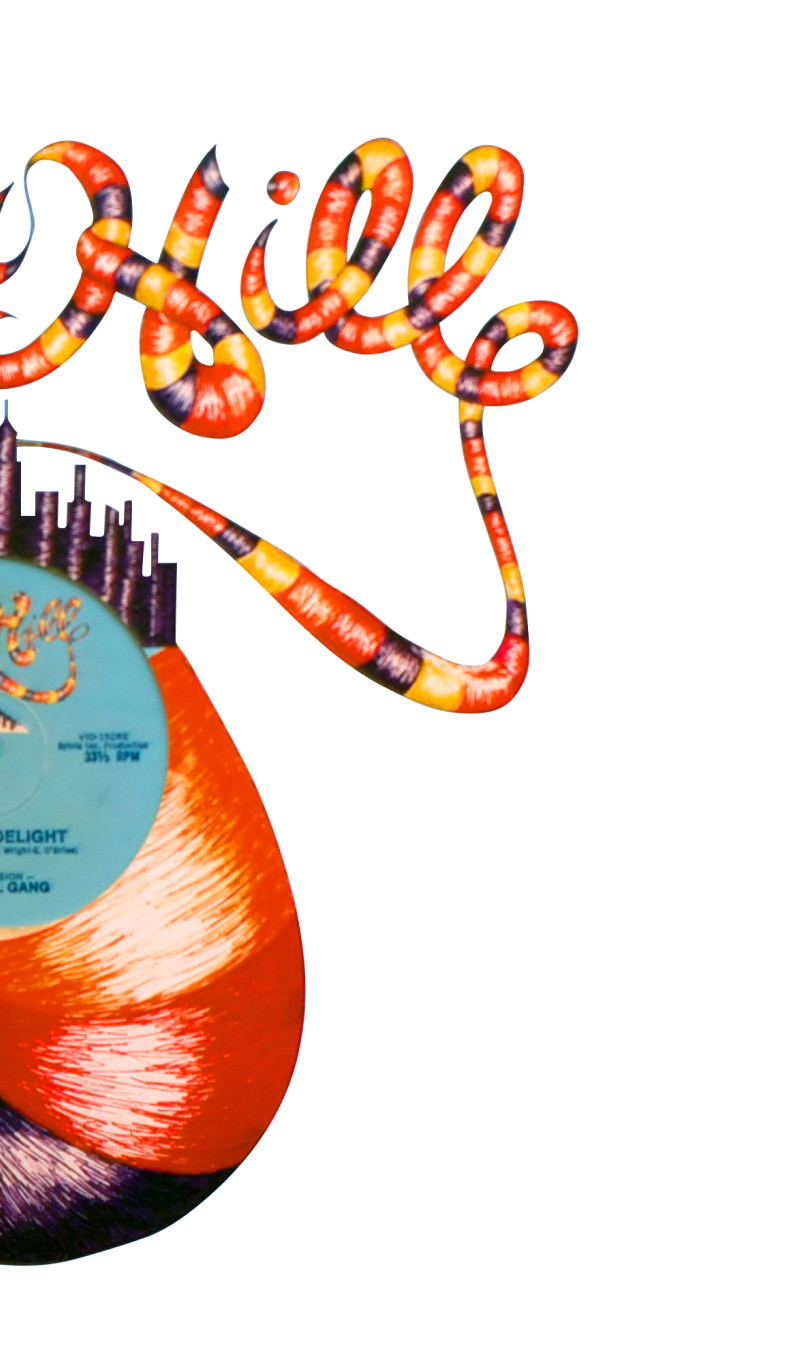

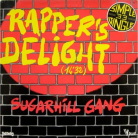
1979 Sugarhill Gang Rapper's Delight
The iconic record, selling more than 14 million copies, made rapping a viable commercial endeavor and created the rap business. Despite its international success and inestimable influence on future generations of rappers, "Rapper's Delight" remains one of the most controversial rap tracks. Not only was Chic's disco groove used without permission (Nile Rodgers and Bernard Edwards would eventually be credited as co-writers), but Big Bank Hank's verses - including the line "never let an MC steal your rhymes" - were allegedly stolen outright from Grandmaster Caz of the Bronx hip-hop group Cold Crush Brothers.


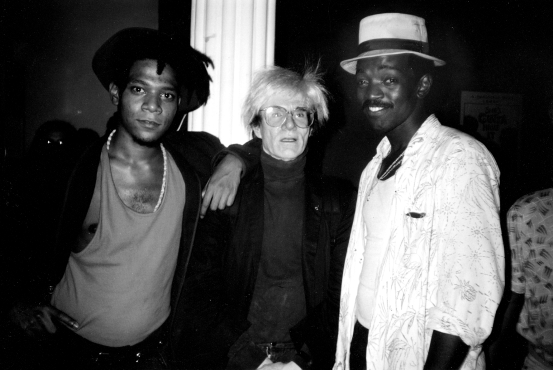




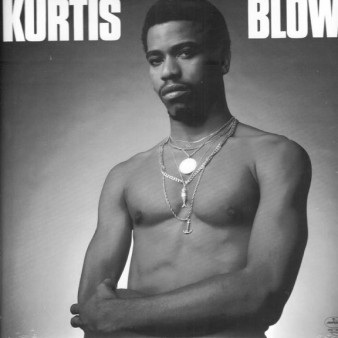
1980 The Breaks
Kurtis Blow becomes the first rapper to be signed to a major label and the first rapper on U.S. TV (Oct. 1980 Soul Train appearance). His single, “The Breaks,” becomes the first rap song to be officially certified gold.
1981Cold Crush Brothersvs Fantastic Romantic 5
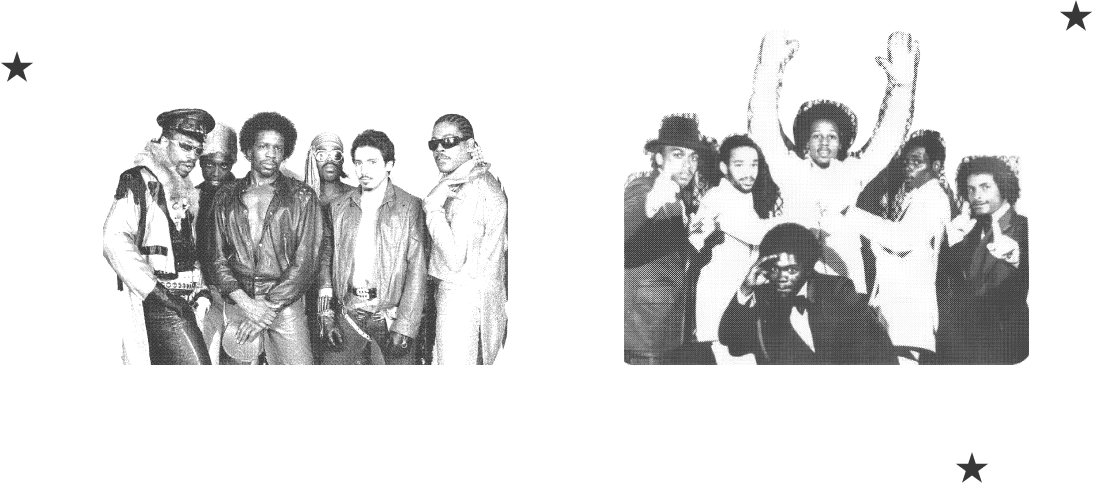
One of the most famous old-school emcee battles: the Cold Crush Brothers take on the Fantastic 5 at Harlem World.
1981Rock Steady Crew vs Dynamic Rockers
ABC’s 20/20 news program covers the Lincoln center battle between Rock Steady Crew and the Dynamic Rockers, the first instance of national network coverage of hip-hop.

The Club Era—
The Roxy NY
Latin Quarter NY
Union Square NY
The Fever NY
RadioTron LA
The Warehouse NY
Paradise Garage NY
Music Box NY
& More
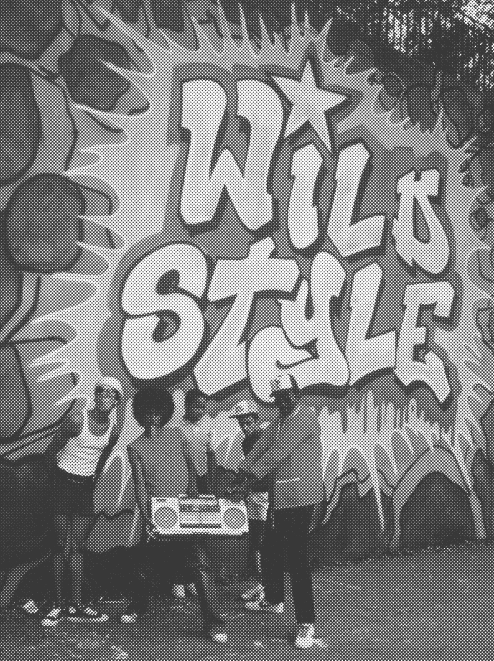
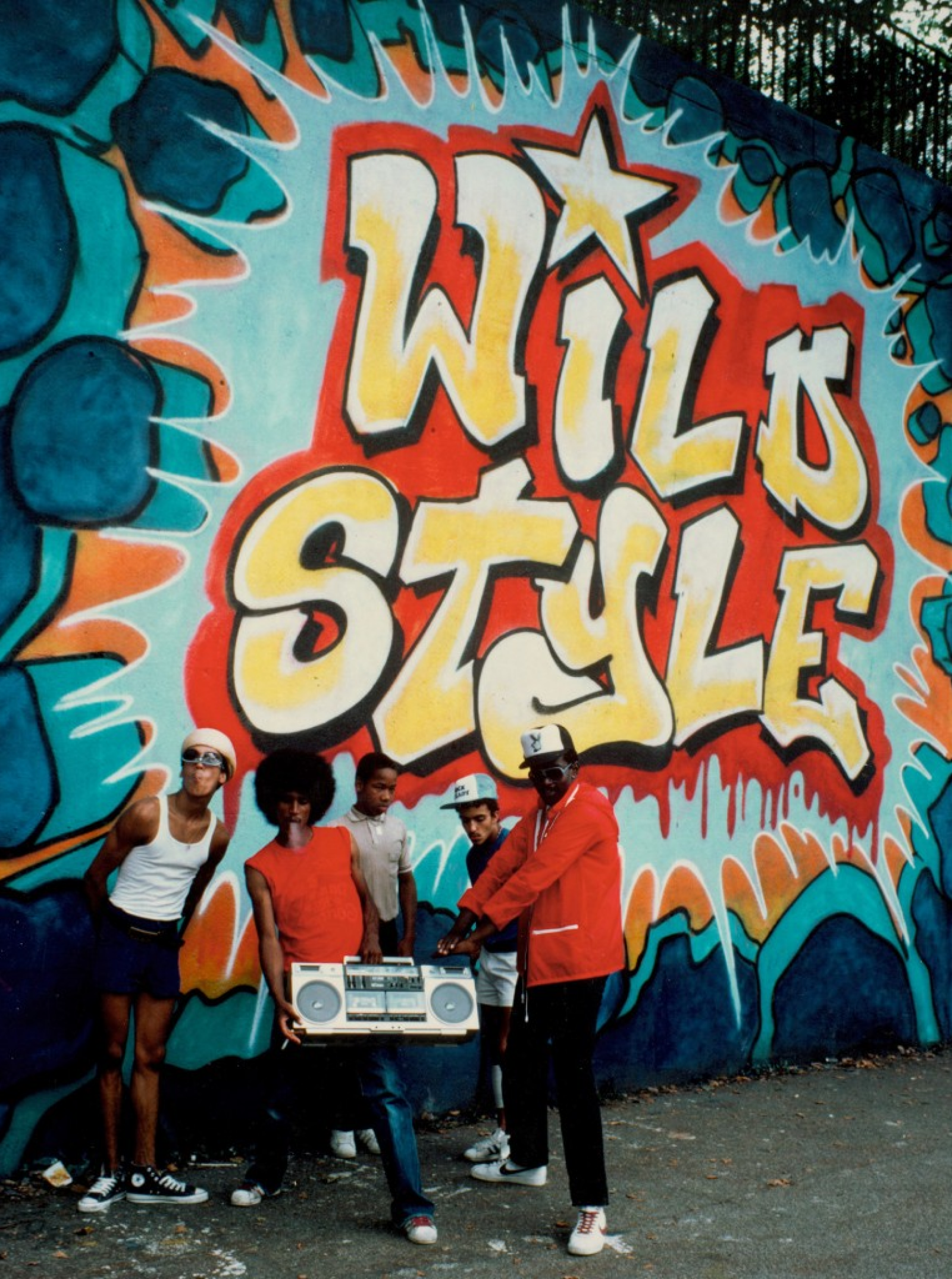
1982 Wild Style
Charlie Ahearn directs and produces Wild Style, regarded as the first major hip-hop motion picture.
Mid 80's
Crack cocaine use reaches epidemic proportions in Los Angeles, Miami, and New York City.

Chapter 04

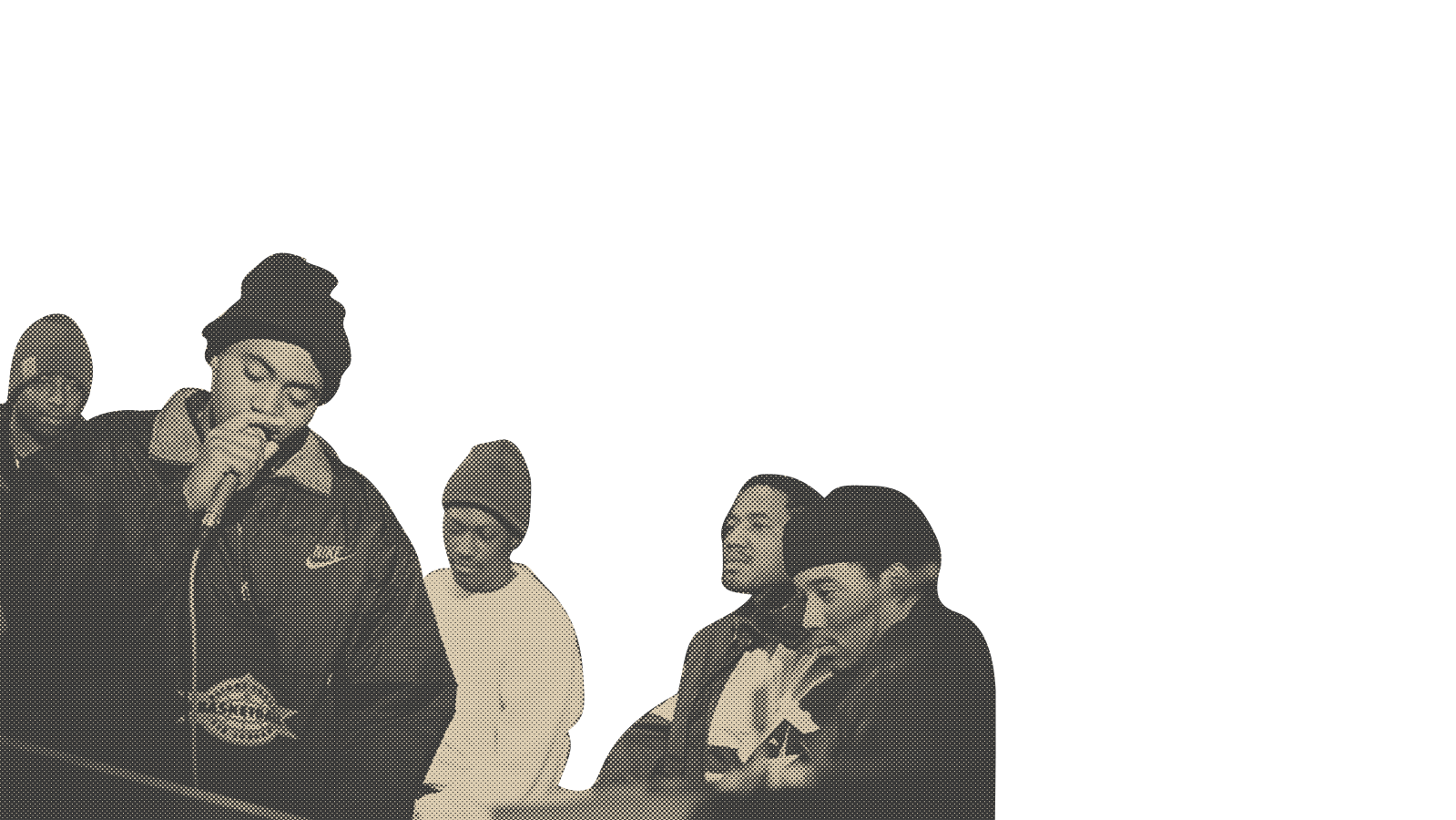

The Golden Age
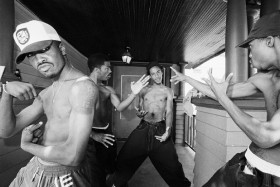
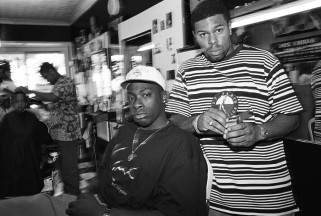
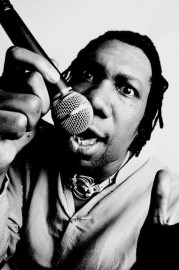
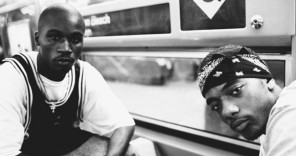
Gone was the primary focus on party records and making people dance and in its place entered the art form with independent journalism, poetry, and hard-hitting raps documenting life on America's dangerous streets.
Williams, Stereo. “Is Hip-Hop Still ‘CNN For Black People?’” 14, Apr. 2017
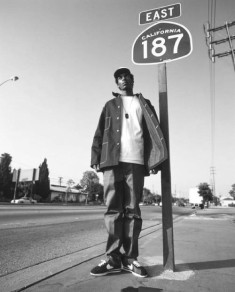
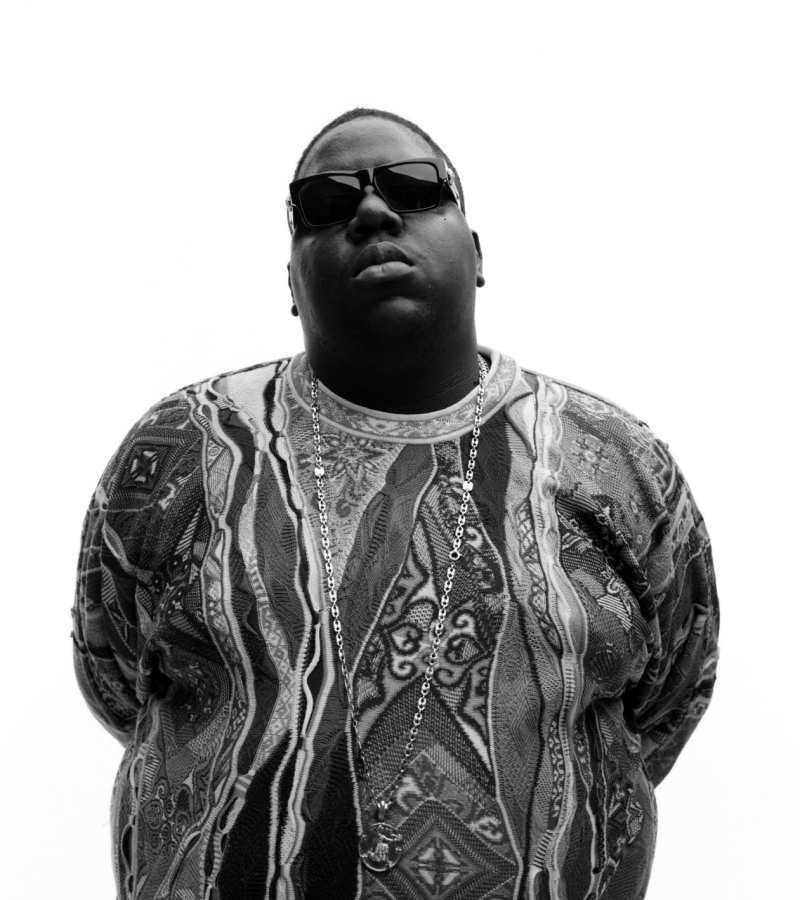
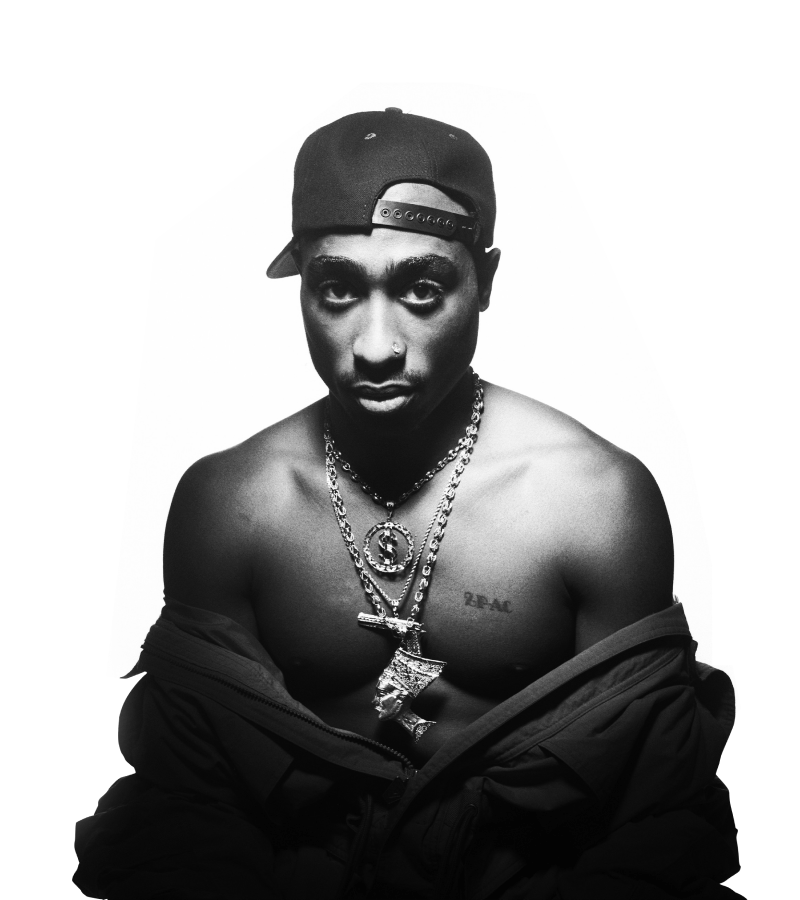
EastWest
1994
East Coast vs West Coast
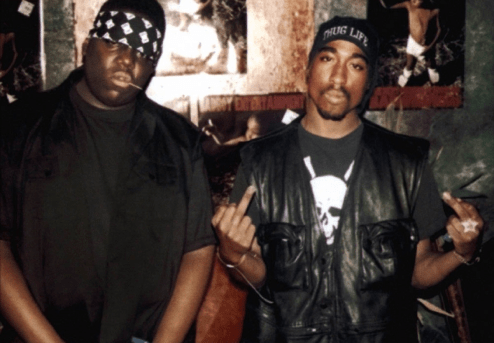
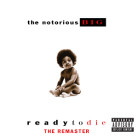
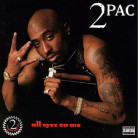
Tupac Shakur and Christopher Wallace (The Notorious B.I.G.) became two of hip-hop’s most notable icons amid an infamous rivalry that continues to hold the attention of fans more than two decades after their deaths.
There were many factors behind the complex New York vs. Los Angeles turf rivalry that heightened between 1994 and 1997 and ultimatley lead to their deaths. The beef had everything to do with competition among record labels, media coverage, gang culture and two artists with a talent for rhythmic comebacks.